Case · 02 · Festiff · Gift registry

Festiff: a gift registry for every celebration.

Product design and a design system for a platform that connects whoever is celebrating with everything they need: gifts, theme, and event professionals.

Client
Festiff
Role
Product / UX-UI Designer
Duration
8 — 14 months
Deliverables
Design system, navigation, UI

01 · Overview

One place to plan any event.

Festiff was born as an intermediary: it connects whoever is celebrating with everything their event needs. Weddings as the main draw, but also quinceañeras, birthdays, baby showers — even pet birthdays.

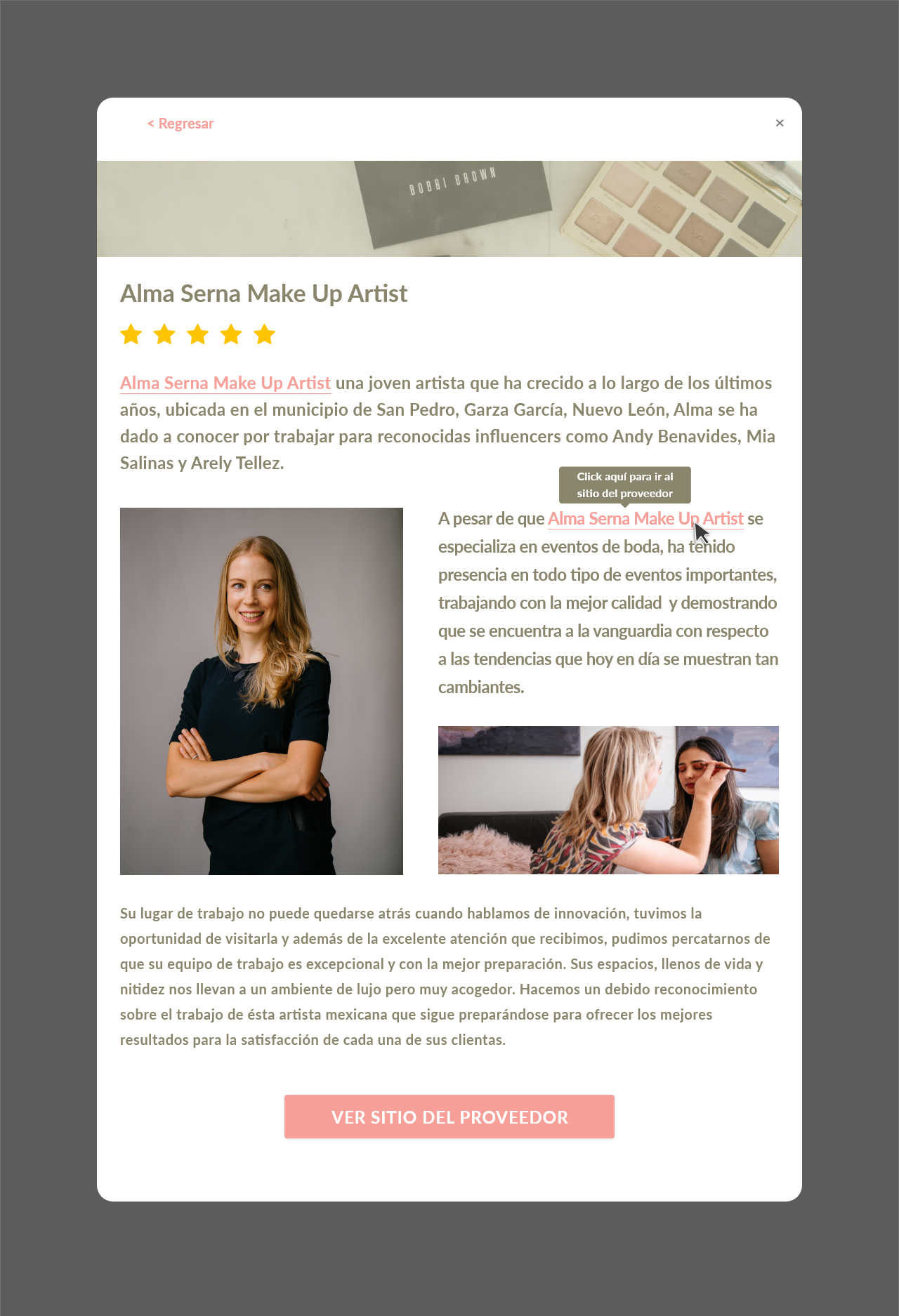
Beyond the classic gift registry, the platform lets you pick the event theme and link up with professionals — makeup, dresses, planners — all in one flow. I designed the product end to end: design system, navigation, and the whole experience.

02 · Challenge

How do you give each module its own essence without breaking the system?

The biggest challenge was the consistency across modules: each event type wanted its own essence, but they all had to live under the same system without feeling disconnected.

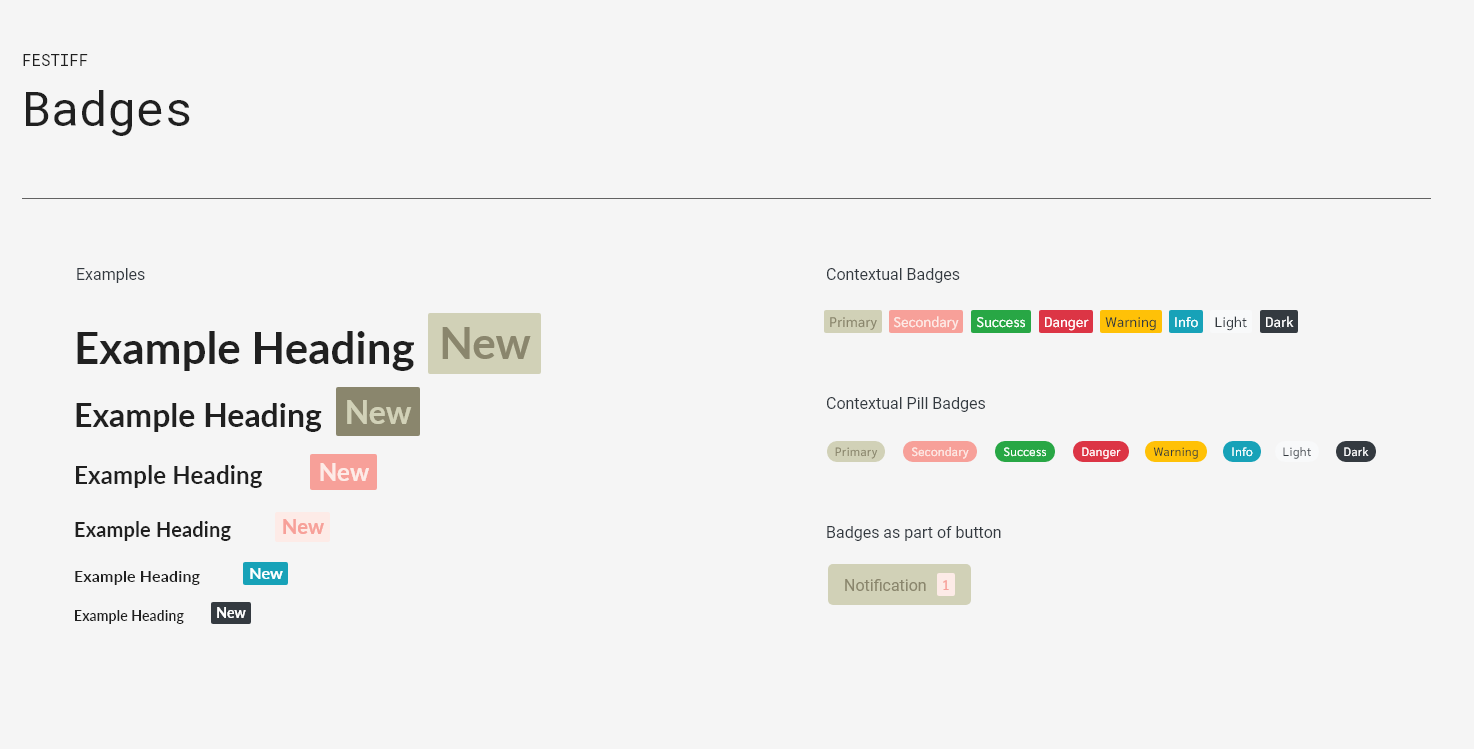
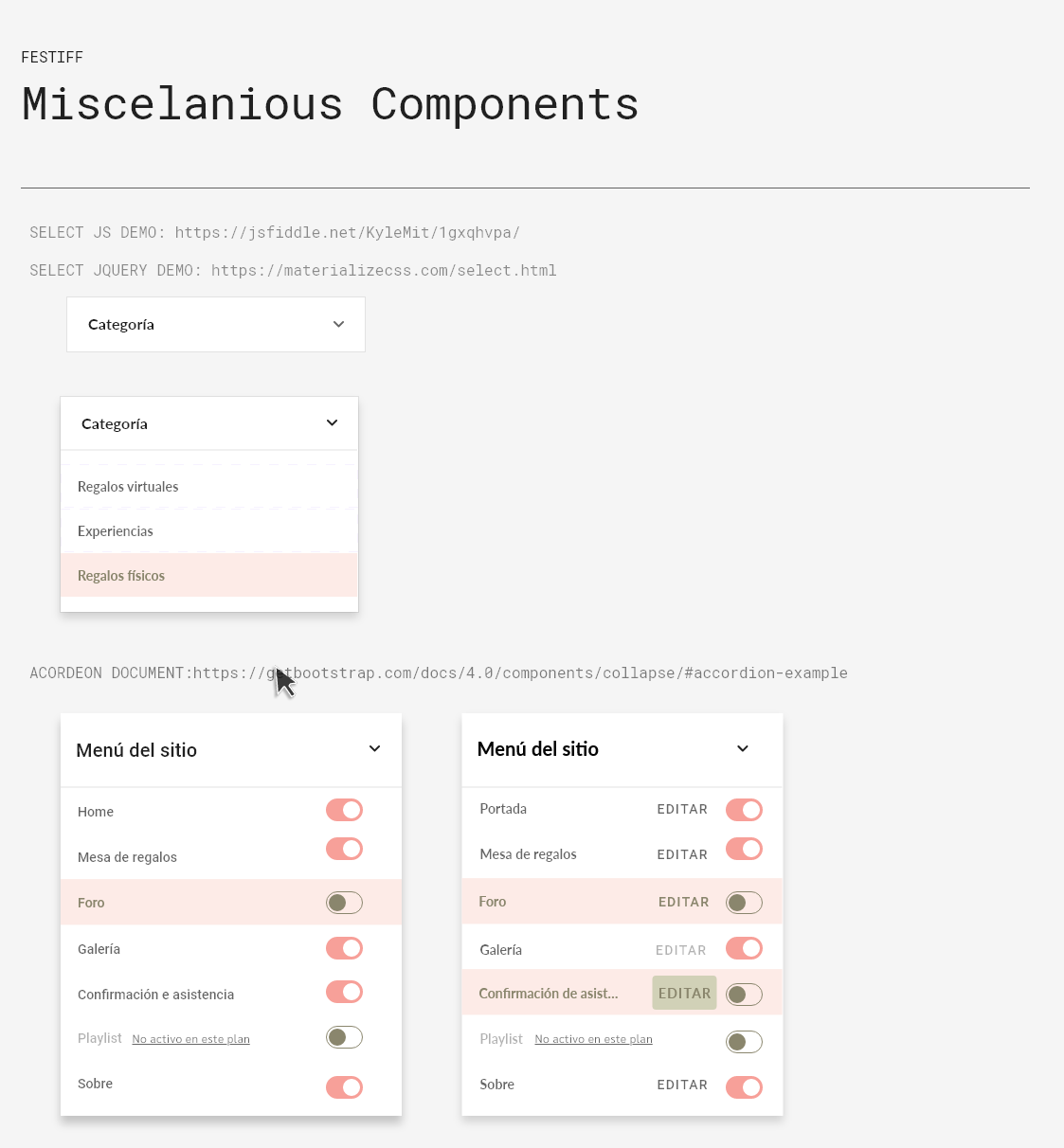
Every token was support for the tech team, but it first required aligning on what a design system is and why it needs clear documentation — from the parent component down to each of its variants.

The call I made

The business problem underneath was not "we need a gift registry" — Liverpool already had one. It was that a registry alone gives you one transaction per customer and then silence. Everything else the event needs happens somewhere else.

I argued the product should be positioned as the intermediary for the whole event, not a better registry. That reframing is what justified building a themeable system in the first place: without multiple event types and vendor verticals, there is no reason for the platform to exist next to the incumbents.

03 · Process

From benchmark to a full system.

A project from ideation to production that took between 8 and 14 months: research, defining voice and tone, building the design system, and designing the whole navigation.

  1. Benchmark & research

    Analysis of direct competitors —Liverpool and bodas.com— to find the gap: an all-in-one platform with personality.

  2. Voice, tone & positioning

    A clear voice and a look and feel that is youthful yet elegant, able to adapt to weddings, quinceañeras, baby showers, and more.

  3. Architecture & navigation

    Flows to create an event, pick a theme, build the gift registry, and link up with vendors — all in one journey.

  4. Design system & documentation

    Tokens, parent components, and variants documented clearly, so each module kept its essence and the tech team had a single source of truth.

  5. UI, prototype & launch

    High-fidelity visual design, validated prototypes, and hand-off all the way to the production launch.

04 · Solution

Youthful yet elegant, for every event.

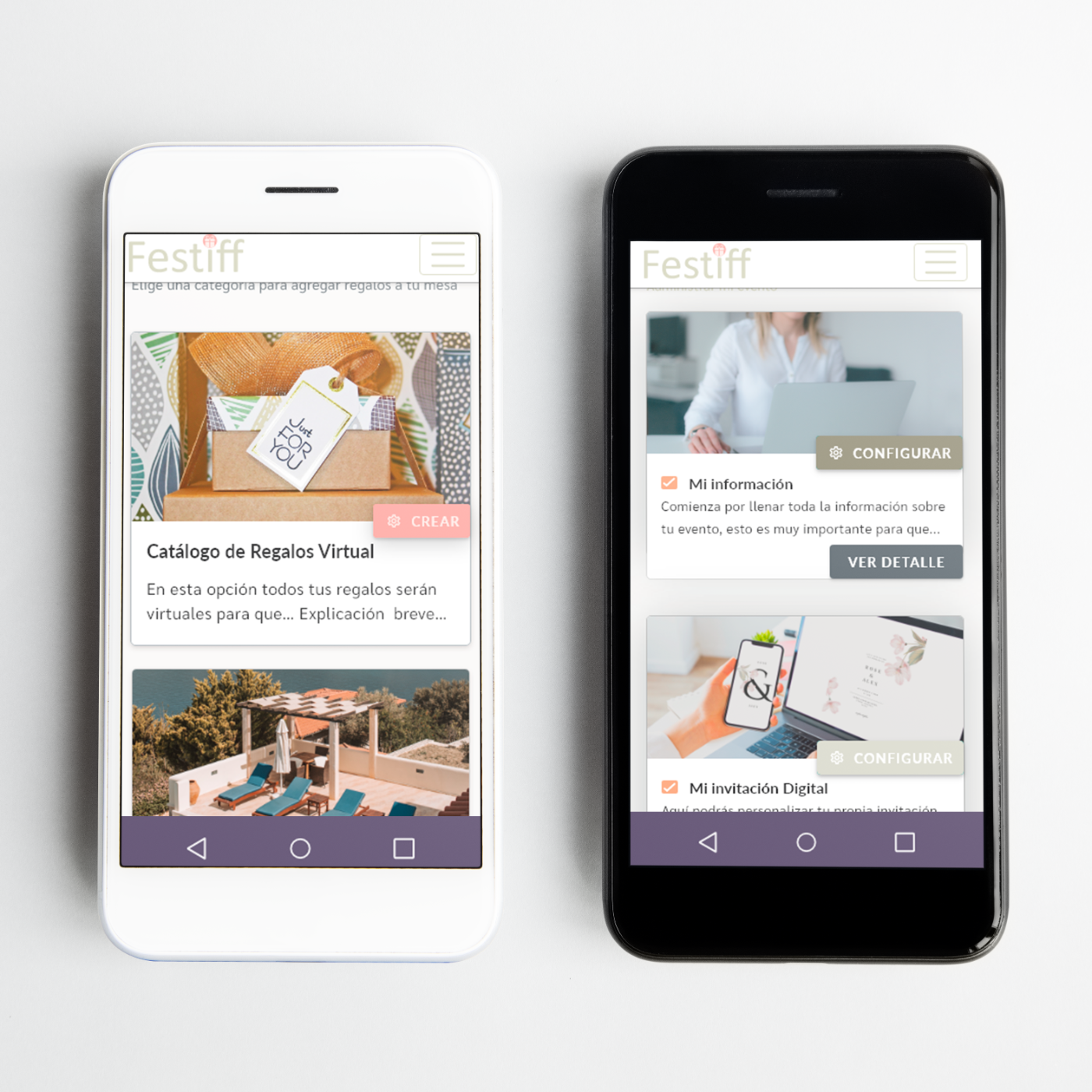
The product came to life as Festiff: a flexible system that switches themes without losing its identity, with its own documented design system and adaptation to mobile and web.
Decision · 01

One system, many events

The design system adapts by theme —wedding, quinceañera, baby shower, pets— giving each module its essence without breaking consistency.

Decision · 02

Documented tokens

From the parent component to every variant: clear documentation that turned tokens into real support for the tech team.

Decision · 03

Youthful, elegant voice

A warm, fresh tone that still feels premium, setting it apart from Liverpool and bodas.com.

What we gave up to get there.

What we shipped first

Weddings as the anchor

Weddings carry the highest ticket and the clearest vendor need. I made that vertical complete before the others, so the system had one fully proven path instead of six half-built ones.

What we cut from the MVP

Vendor booking and payment

The platform connects you with the planner or makeup artist but does not close the deal in-app. Owning payments would have pulled compliance work into a launch whose value was still unproven — we shipped the connection and left the transaction for later.

The call I made

Each module wanted its own essence, which is exactly how design systems fracture. I decided the theming would live in tokens, not components — a wedding and a pet birthday get different palettes and imagery, but the same component tree underneath.

That call cost me time up front: it meant documenting every parent component and its variants before the tech team could move, and running sessions on what a design system even is and why the documentation is the deliverable. It was slower to start and far cheaper to maintain once six event types were live.

05 · Outcome

From idea to production.

6

Event types

Weddings, quinceañeras, birthdays, baby showers, pet birthdays, and more — all in one system.

3

Vendor verticals

Makeup, dresses, and event planning linked within the platform.

1system

Reused across all verticals

One component tree serves every event type — new themes ship by swapping tokens, not by rebuilding screens.

A note on these numbers. These describe the scope the platform shipped with, not adoption results. The project ran 8–14 months from ideation to production; I left before there was enough post-launch data to report on registry completion or vendor conversion, so I am not claiming outcomes I did not measure.

What I take away from this project

Curious about my work?

Let's chat. I'm always open to understanding a project better, no matter how challenging or complex it seems.

Let's talk →